What Makes a Strong Business Identity?
Some business identities immediately feel credible. Others are quickly forgotten.
The difference is rarely accidental. Strong business identities share characteristics that make them easier to remember, trust, recommend, and build upon over time.
Identity Is More Than a Name
Many people assume a business identity is simply a business name.
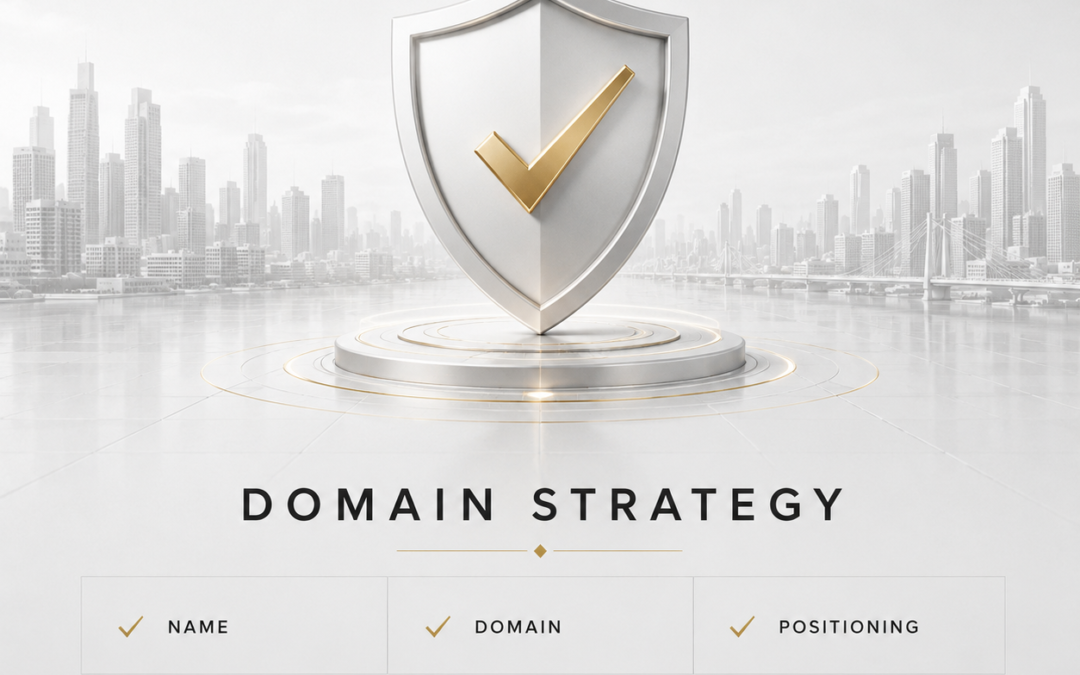
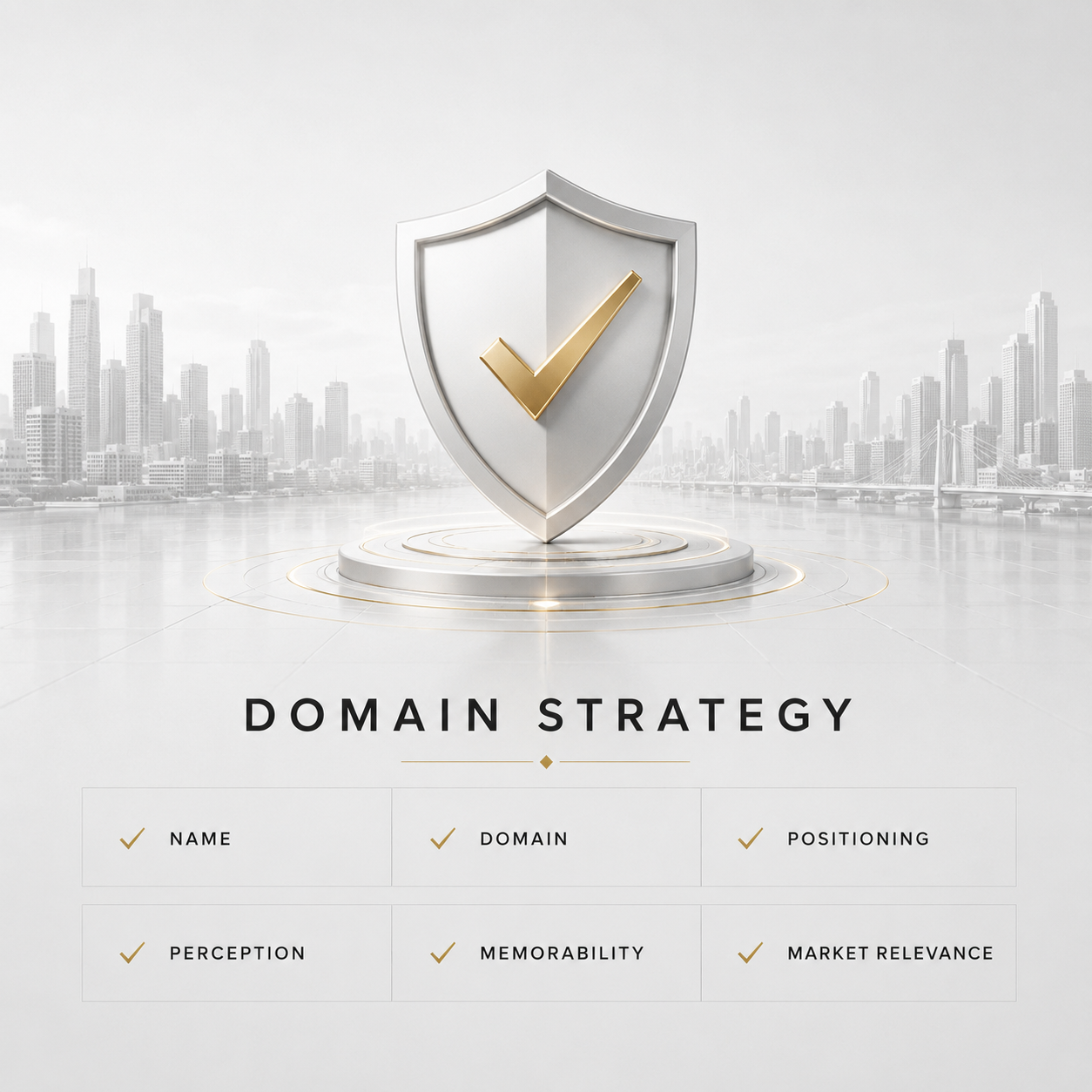
In reality, identity consists of several elements working together:
– Name
– Domain
– Positioning
– Perception
– Memorability
– Market relevance
When these elements align, they create leverage.
When they conflict, growth becomes more difficult.
Clarity
Strong identities are easy to understand.
Customers should not have to decode what a business does or struggle to remember how it is spelled.
Clear identities reduce friction.
The easier it is for customers to understand a business, the easier it becomes to recommend it.
Memorability
Customers cannot return to what they cannot remember.
Strong identities create mental retention.
Characteristics often include:
– Simplicity
– Distinctiveness
– Pronounceability
– Visual recall
A memorable identity continues working long after the first interaction.
Credibility
Identity influences perceived professionalism.
Customers routinely make assumptions based on appearance and presentation.
The business identity often serves as the first credibility signal.
A strong identity communicates confidence and permanence.
Relevance
Identity should align with audience expectations.
A financial services company communicates differently than a lifestyle apparel brand.
A healthcare organization communicates differently than a technology startup.
Strong identities fit the markets they serve.
Scalability
Many businesses outgrow the names they start with.
Strong identities leave room for expansion.
They support future products, services, locations, and opportunities.
The Infrastructure Test
A useful question is:
“Can this identity support the business I want to become?”
Strong identities are not merely descriptive.
They are capable of carrying future growth.
Final Thoughts
Strong business identities combine clarity, memorability, credibility, relevance, and scalability. They create the foundation upon which trust, recognition, and growth are built.
The strongest businesses rarely treat identity as decoration. They treat it as infrastructure.