Business Identity Licensing Explained
For decades, businesses have purchased assets they believed would support growth. Real estate, equipment, software, and intellectual property have all been acquired because they create strategic advantages.
Business Identity Licensing applies a similar principle to business identity.
Rather than purchasing a premium business identity outright, organizations gain the right to use and benefit from that identity through a structured licensing arrangement.
Understanding the Concept
A business identity is more than a domain name.
It is a strategic asset that influences:
– Credibility
– Recognition
– Positioning
– Discoverability
– Customer trust
Traditionally, businesses seeking premium identities had only one option: purchase them outright.
Business Identity Licensing introduces an alternative.
Organizations can secure access to valuable business identities while preserving capital for growth and operations.
Why Businesses License Assets
Licensing is already common throughout the business world.
Companies routinely license:
– Software
– Patents
– Trademarks
– Intellectual property
– Technology
They do so because licensing provides access to assets without requiring full ownership.
Business Identity Licensing applies this same principle to digital business identity assets.
Preserving Capital
New businesses frequently face competing priorities.
Resources may be needed for:
– Hiring
– Marketing
– Product development
– Operations
– Technology
Purchasing a premium identity outright may not always be practical.
Licensing allows businesses to deploy capital toward growth while still benefiting from a stronger identity.
Identity as Strategic Infrastructure
The objective of Business Identity Licensing is not simply acquiring a domain.
The objective is securing infrastructure.
Businesses rely upon infrastructure to operate.
Identity infrastructure supports recognition, trust, and positioning.
When viewed through this lens, licensing becomes a strategic decision rather than a transactional one.
Flexibility and Opportunity
Licensing provides flexibility.
Organizations can:
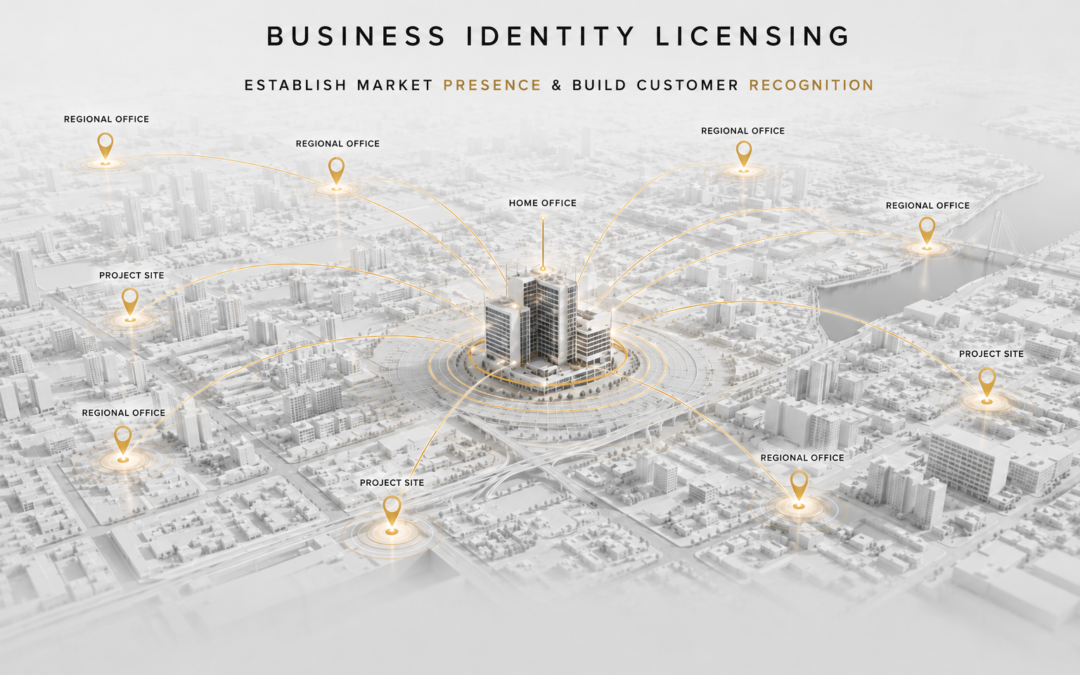
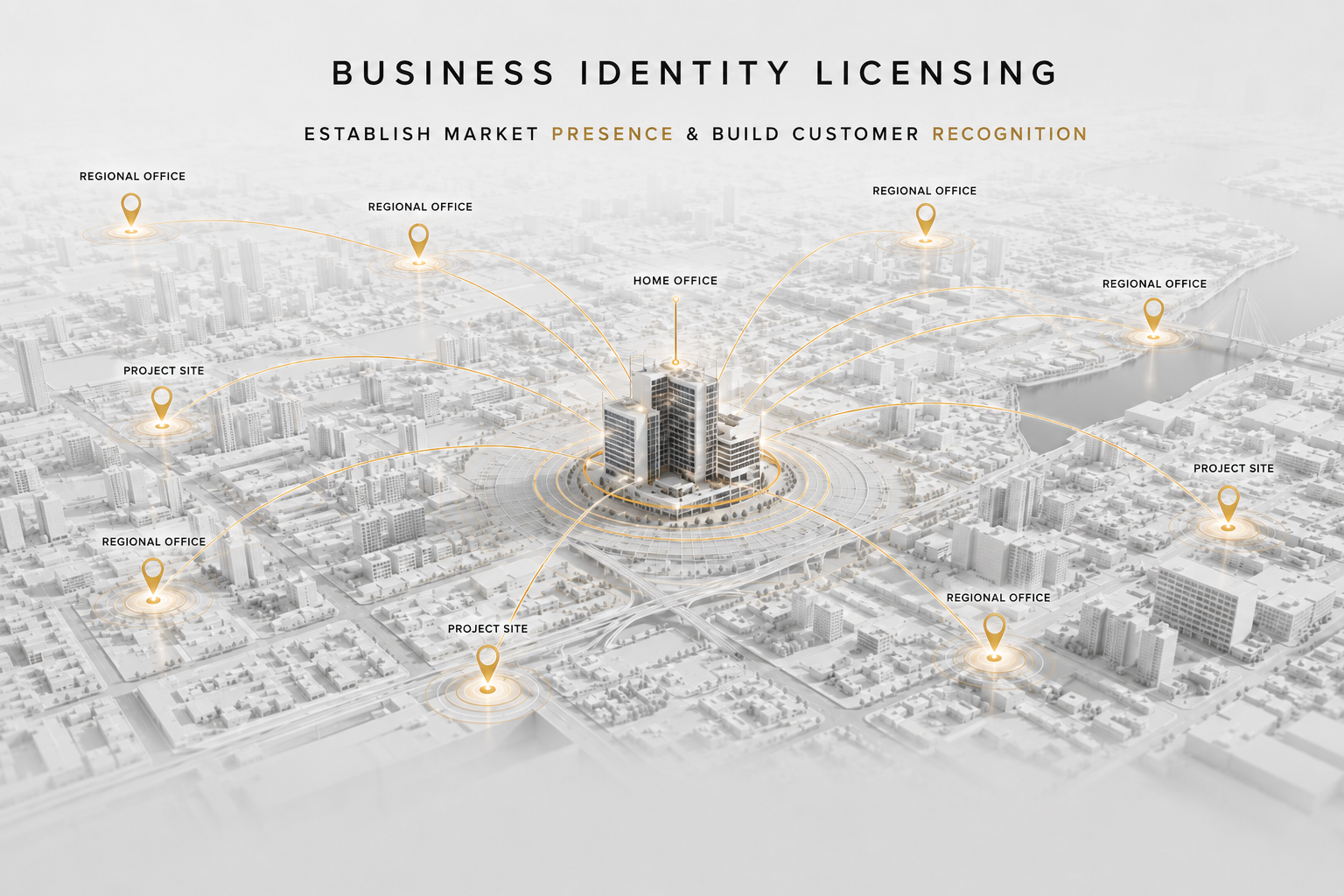
– Establish market presence
– Build customer recognition
– Strengthen positioning
– Accelerate brand development
All while preserving flexibility for future decisions.
For many businesses, this approach aligns more closely with growth objectives than immediate acquisition.
A Different Way to Think About Identity
Historically, businesses have viewed domain names as web addresses.
Business Identity Licensing encourages a broader perspective.
Identity is not merely a location online.
Identity is infrastructure that influences how customers perceive and engage with a business.
The stronger the infrastructure, the greater the potential leverage across marketing, branding, and customer acquisition efforts.
Final Thoughts
Business Identity Licensing provides organizations with a practical pathway to secure stronger business identities without the immediate requirements of outright ownership. It reflects a growing recognition that business identity itself is a strategic asset worthy of thoughtful acquisition and deployment.
As businesses increasingly compete for attention and trust, identity may become one of the most important assets they license.